Mark 16:15 “Go everywhere and tell the Good News to everyone”. Whether you are an avid follower of the scripture or receive your daily updates via the Bible app, this passage not only describes the Pittsburgh Christian Fellowship, but it is part of their mission! The vision of the church is to teach people to reach their world with the Good News of Jesus Christ while connecting with a community of believers. The church is nicely nested on top of Mount Oliver located on Brownsville road. Their team is also lead by Senior Pastor Chris DeMark who is supported by his wife, Belinda DeMark, and two daughters, Joyus and Faith DeMark. This bunch spends every day reaching out to others, providing them a safe and welcoming place to worship.
Fellowship reaching the masses
The Pittsburgh Christian Fellowship provides many opportunities to become involved including Sunday Services, events throughout the year and a Podcast featuring none other than Senior Pastor Chris DeMark. Chris became Senior Pastor of the church in 1994 and since has provided ample opportunity for others to join in his mission.
Along with providing masses and summer programs and picnics, the church coordinates and connects individuals who may be struggling by accepting the following fundraising offerings:
Tithes
Missions
Emergency
Youth
Children
Mens
Womens
Like we said, if you cannot find time for a Sunday mass, simply listen to one of the recorded podcasts and get YA JESUS ON!
Paths crossing at the right time
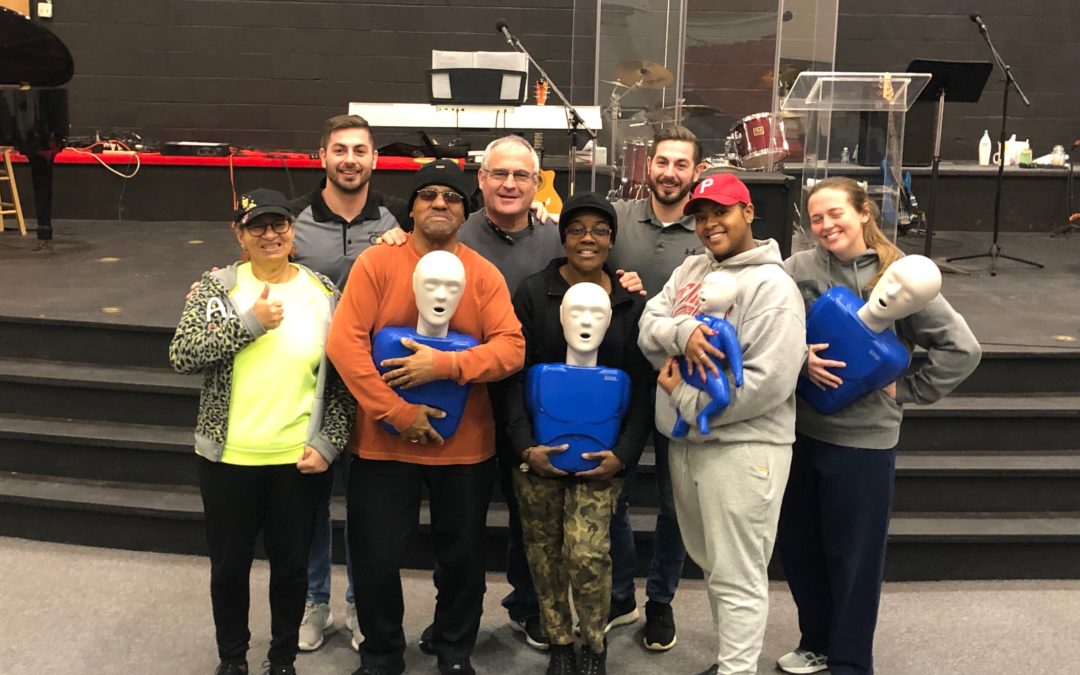
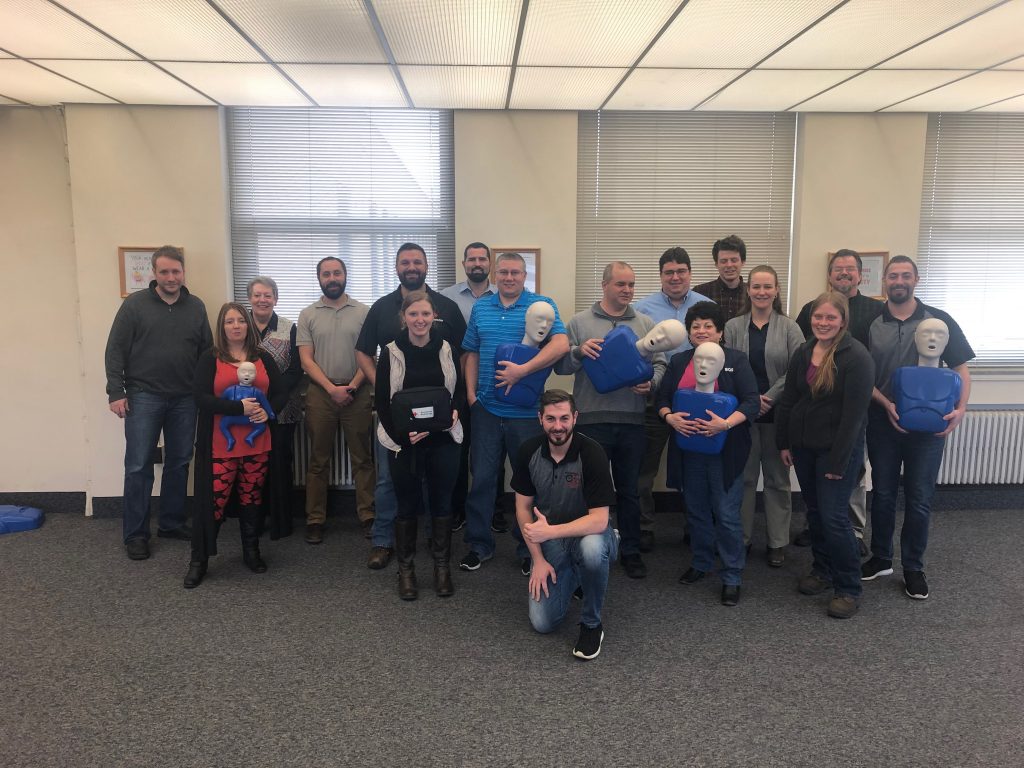
Belinda is a current employee of Highmark Inc. in Pittsburgh Pennsylvania. She noticed an online article that was posted about another employee who frequently provided churches the opportunity to become CPR/First Aid certified. Without hesitation she reached out to Lucas Boyd, at the time also a Highmark Employee. Together, they planned a weekend where leaders in the church and volunteers could receive life saving training in CPR/AED/First Aid.
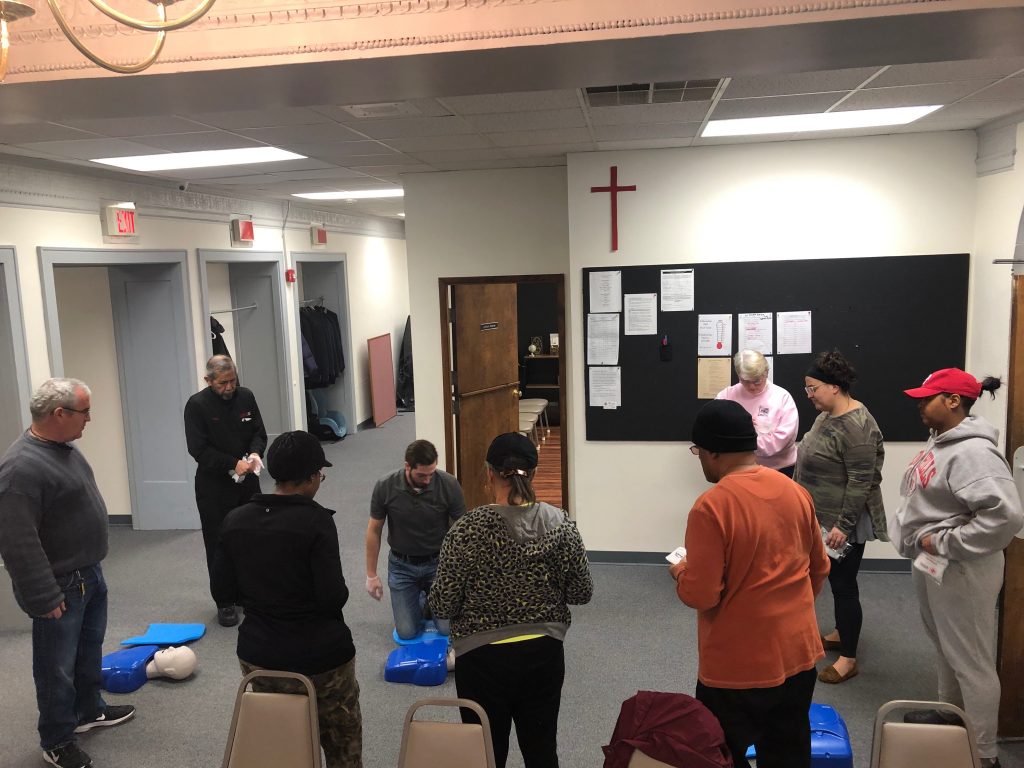
One of the biggest reasons why The Pittsburgh Christian Fellowship wanted to get certified was due to the high volume of youngsters who attend on weekends and in the summer. Having all members trained in case of an emergency was a must! B42L (Before It’s Too Late LLC) came in and trained 9 individuals how to properly perform life saving skills. Right place and right time? It is odd to think about it but what would have happened if Belinda did not have the courage or thought to give that article a read?! Now we won’t say that higher intervention had anything to do with the class taking place, but it is very incredible that Belinda decided one day to click an article and found an answer to her problem.
Skills that SAVE LIVES
As every chapter preceded, the group asked questions on how best to attack a multitude of situations. Wanting to ensure each participant was able to respond to just about anything, we can tell you many “what if” scenarios were quickly answered. The group was able to have open discussion and practice their skills with real life walkthroughs. We covered some of the following topics:
Recognizing and Responding to Emergencies
Cardiac Emergencies including Cardiac Arrest – CPR
AED basics and skills
Choking recognition and skills
Sudden Illnesses
First Aid and wrapping a wound skills
Environmental Emergencies – heat/cold related
In addition to certifying the group in these skills, each member walked away with B42L’s “assurance plan” (life saving tool that refreshes skills used in CPR on the spot). The members of this parish didn’t decide to request a class for compliance reasons or to check a box for safety training. Rather, each member had a deep interest on how they could each be better equipped to serve their community. This type of GOOD FAITH makes it certain that the church and its message is most definitely spreading the word and is doing the right thing, no matter what.
Giving back
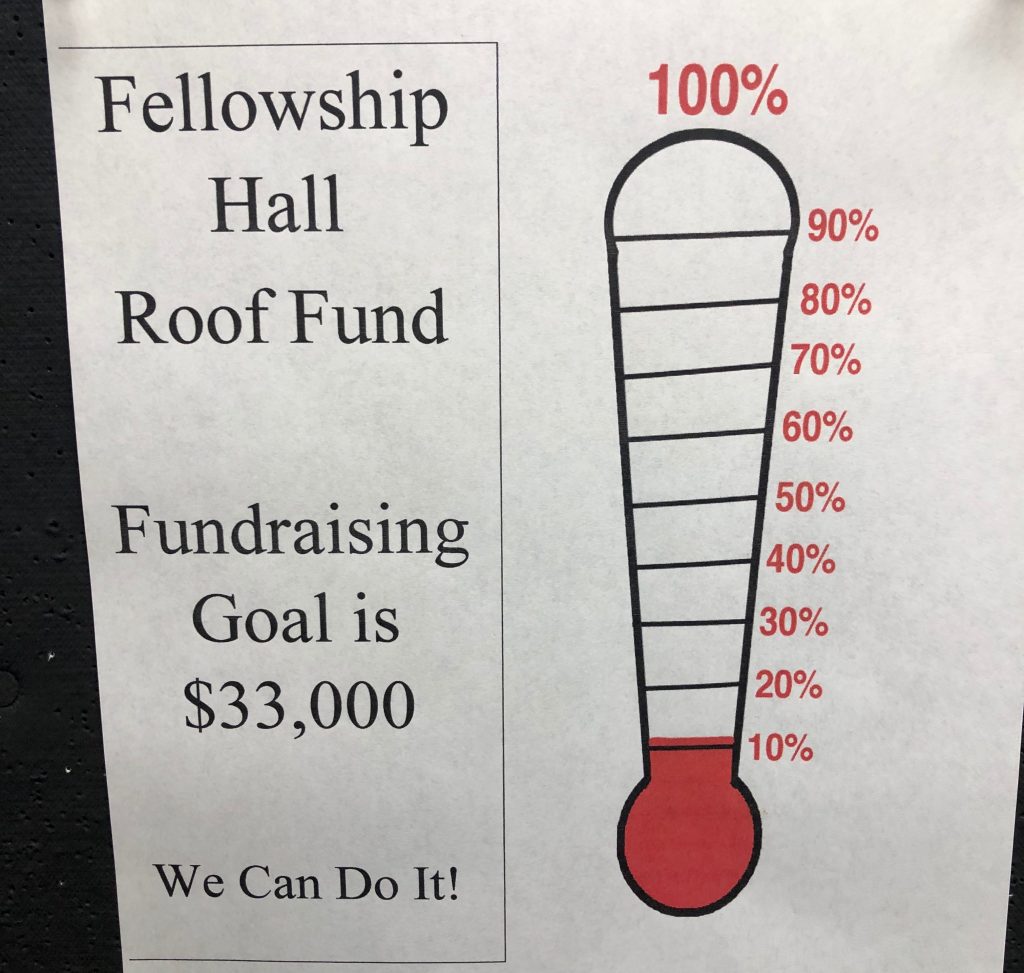
The Pittsburgh Christian fellowship gives so much and asks for very little in return. Recently, the church had a roof problem where the damage done has caused leaking and ceiling tiles to deteriorate. The church plans on having designated offerings to raise money to replace the tiles and fix the leaky roof! If you are interested in donating please reach out to Pastor DeMark!
For nearly a century, the Ellwood Group has grown through innovation and strategic acquisitions. It should also be noted that the group is the leading supplier of quality metals and custom-engineered components for worldwide applications. The Ellwood group has a tremendous footprint that now covers more than 25 locations across North America. From the looks of it over time, it is easy to say they live up to their mission statement, “Our mission is to use our metallurgy know-how to provide critical engineered solutions”.
The group has functions including:
Steelmaking
Forging
Machining
Distribution
Cladding & Fabrication
Casting
R&D
With such a vast line of offerings, The Ellwood Group makes it a point to not only serve their customers, but treat everyone as FAMILY. The group has committed to its employees by celebrating other’s successes and supporting in times of needs. Moreover, each of the 25 locations are treated like HOME and is properly stewarded. To give you an idea of how big this group is, we decided to breakdown the markets you can see their work in:
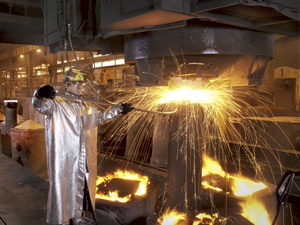
Like we said, The Ellwood Group has sizable capabilities and footprint. Each plant and location has an integral function and role for the group’s unique customer base.The Ellwood Quality Steels branch was founded in 1985 and the melt shop was to be the premier producer of the highest quality clean steel ingots around. This location holds a 45 ton electric arc furnace that is a sight to see.
Their electroslag and vacuum allows the location to re-melt ingots to serve the most demanding applications thought of. This location is unlike any other as it also provides cutting-edge metallurgical lab equipment that is used in R&D techniques. While we love highlighting the capabilities of the plant, we should also talk about how their team gets the job done.
Safety is Success
ELLWOOD has a commitment to getting the job done right and protects its employees in the process. Like we said, things could get a little heated if you’re operating with a 45 ton arc furnace. Quite often, companies especially as large as ELLWOOD, may take safety as a last minute check box. That isn’t how Ellwood Quality Steel runs the show though. In fact, their goal is not only to comply with industry standards, but exceed them. There are multiple ways the group gets this done.
Management Leadership and Employee Involvement
Worksite Analysis
Hazard Prevention and Control
Training
Each facility goes above and beyond with their safety culture, regulation, and processes. Ellwood Quality Steels recently just had 15 of their staff members become trained in the life saving skills of CPR/AED/First Aid. Now we did mention that the group’s goal is to exceed compliance regulations, and a group this size with all differing job functions hit incredible standards.
Bobbie Myers is Ellwood Quality Steel’s first line of defense when it comes to safety. She is the Safety and Environmental Manager for this location and made it a point to set up a class for her staff. Bobbie provides value by supporting on EHS projects, conducting EHS Audits, Safety Training and BBS development. With all of this on her plate, she reached out to Before It’s Too Late LLC and made sure she was covering Emergency Preparedness. You never know what could go wrong, especially when you’re working with Steel!
The class covered multiple topics for both Adult and Pediatric Situations of Cardiac Arrest and First Aid emergencies. This class was taught to a group who works for a Steel company but can always feel prepared using their skills in their own homes and communities. Here are a few topics we were able to cover:
Ellwood Quality Steel employees and management takes CPR/AED/First Aid class with B42L (Before It’s Too Late LLC)
Recognizing and Responding to Emergencies
Cardiac Emergencies including Cardiac Arrest – CPR
AED basics and skills
Choking recognition and skills
Sudden Illnesses
First Aid and wrapping a wound skills
Environmental Emergencies – heat/cold related
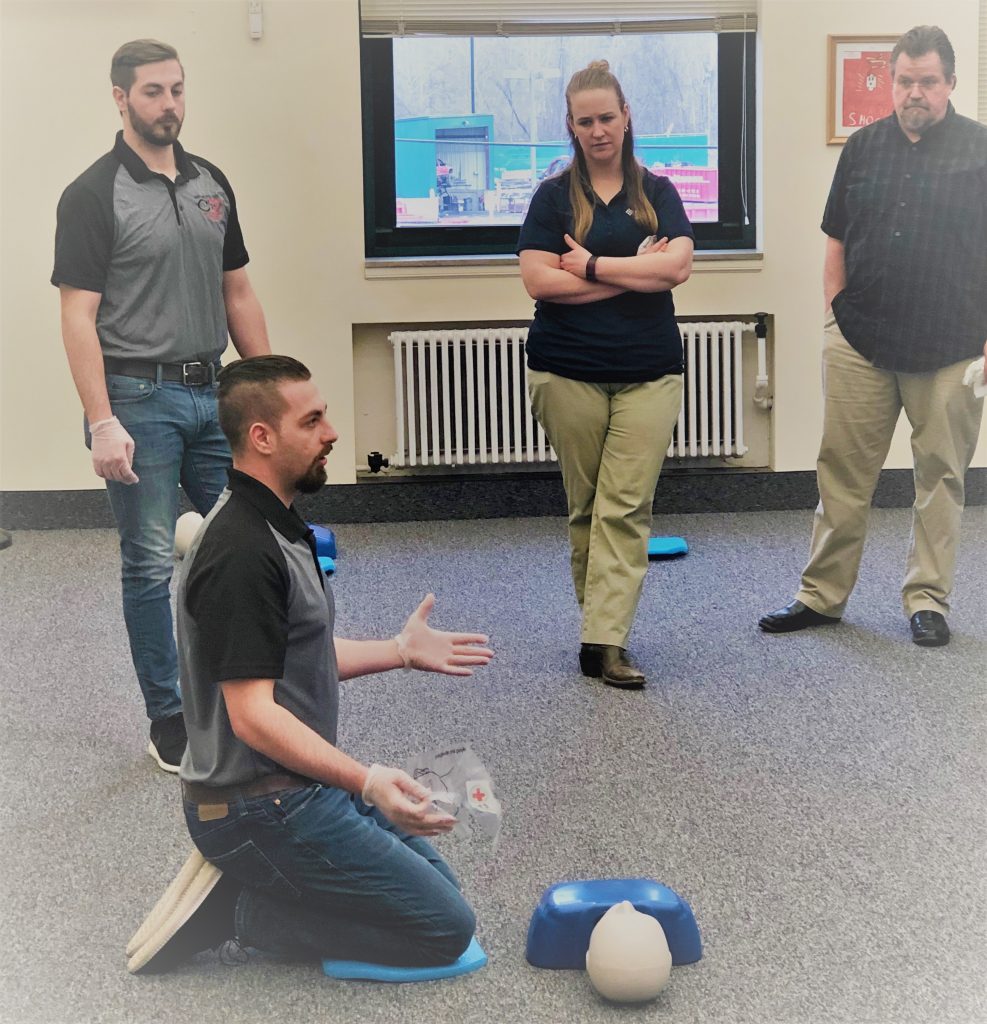
Each member of the class was able to sit through a lecture portion that was aided with videos and interactive critical thinking scenarios. In addition to the more “classroom style” learning, we also had each member get down to business and practice their skills as if an emergency was actually taking place. The Ellwood staff practiced doing chest compressions and rescue breaths and also were able to use a simulated AED (Automatic External Defibrillator). In addition to those skills, we covered First Aid for choking and wrapping a wound!
Each member immediately treated the day as a learning opportunity and took charge of the scenario at play! Ellwood Quality Steel also was able to take advantage of B42l’s assurance plan. A life saving piece of PPE that serves as a real time refresher.
https://dev.b42l.com/shop/product/cpr-wrap/
Slippery Rock Safety Connections 02
As we recognize Bobbie’s group we also want to highlight some similar safety roots between The Ellwood Group and B42L.
Bobbie Myers was a graduate from the highly recognized safety program at Slippery Rock University! With all of B42L’s staff also walking through those same safety doors of at the Strain Behavioral Safety building it was a great time seeing Slippery Rock Alumni doing great work well after their time as students. The SRU Safety Program has ROCK SOLID graduates providing ROCK SOLID work and SAFETY to some of the world’s most important industries!
B42L enjoys connecting with Slippery Rock University graduates and aiding in any way possible. Whether you run a church group, own a fitness studio or are in a more traditional Safety Position like Bobbie, please connect! It is important to understand that cultivating a safety culture is not one person’s responsibility.
B42L Campus Ambassador 2019-2020 School year
Check out how we continue to provide Slippery Rock value with our campus ambassador role! B42L provides discounted classes for Slippery Rock University students on a monthly basis and has provided scholarship opportunities for individuals who work with us!
If you know plastics, then you should know the name Saint Gobain. This plastics group is the world’s leading producer of some pretty high performance polymer products and has made a positive difference in just about every major industry you could think of. The group has embedded their product in bearings of race cars and even radar devices used in military aircrafts. Like I said, if you know plastics, you know Saint Gobain.
The French founded company was established in 1665 which means not only are they delivering high grade products and services but they have been doing so for over 300 years! Through business acquisitions and the innovation, Saint Gobain now serves customers in 67 different countries and employs over 170,000 workers. One of the reasons why this giant plastics group performs so well is their focus on safety. Saint Gobain invests in their workforce by providing the highest quality of training programs! They were recognized as one of the world’s top 100 industrial corporations and as a leader in an array of engineered materials.
Safe Working Environments
Being the best at engineering solutions starts by providing safe working conditions for employees. If you think you could become an industry leader while not practicing your processes safely, you are out in left field alone.
Safety has to take top priority when working with machinery, or in environments with high risk. Engineering plastics is complicated to say the least. The steps that simple materials undergo before becoming the finished product illustrates how ingrained safety needs to be. That means workers at Saint Gobain are prepared and provided with proper PPE (personal protective equipment) and training.
Safety is not just about wearing your ear plugs and steel toed boots though. Safety is coming in to work every day and doing your job the RIGHT way! With that in mind, accidents and incidents occur and human error can never be avoided 100% of the time. Saint Gobain employees have adopted a safety culture that is unlike any other.
Emergency Preparedness and CPR/First Aid
Now we just pointed out that Saint Gobain is a world leader in their solutions and also takes safety as serious as the average Steeler fan takes Super Bowl Sunday. One factor that is hard to quantify is safety moral and safety culture.
Safety culture is the collection of the beliefs, perceptions and values that employees share in relation to risks within an organization, such as a workplace or community.[
The safety culture in any major plant starts from the ground up. Engaging the workforce to practice safely and voluntarily practice with purpose is a Safety Directors dream. Saint Gobain’s Cleveland plastics plant should furthermore be the go to example of what it means to adopt safety culture.
EHS leader Andrew Proya, oversees the safety of his plant and employees. He recently reached out to get his staff trained in First Aid/CPR/AED. Now let’s make sure we mention that there are OSHA standards set in place forcing plants to have staff members trained. SEE OSHA standard 1910 for details BUT…..
23 Saint Gobain employees volunteer to join plant emergency response team!
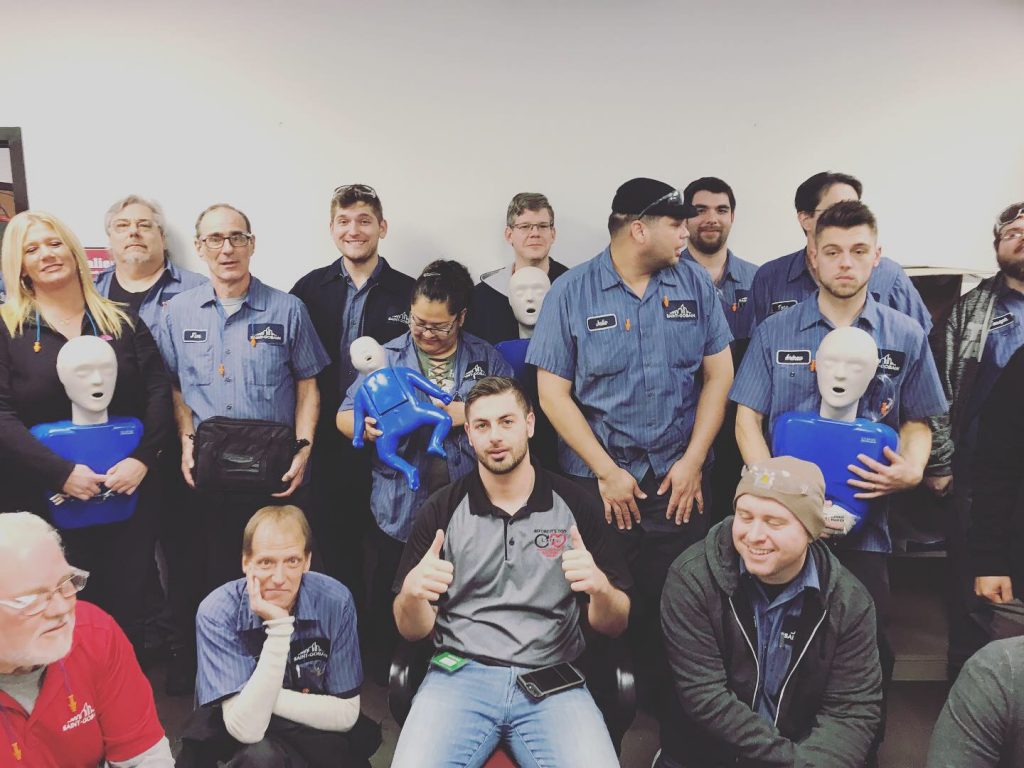
The interesting thing about Andrew’s group is that over 20 participants volunteered to join the emergency response team. Each member sat through a 4 hour training session that covered topics of CPR/AED/First Aid. The class certified individuals in life saving skills (American Red Cross Certified Instructors and material). Not only did Andrew achieve a compliance standard, but his workforce went out of their own way personally to become involved. This CPR/AED/First Aid class was provided by Before It’s Too Late LLC better known as B42L.
Here are some of the topics we covered:
Recognizing and Responding to Emergencies
Cardiac Emergencies including Cardiac Arrest – CPR
AED basics and skills
Choking recognition and skills
Sudden Illnesses
First Aid and wrapping a wound skills
Environmental Emergencies – heat/cold related
These group members had a plethora of subtopics in their course and all had the opportunity to test skills out. This class again allowed participants to learn a skill and then test their knowledge in real world application simulations. Because these skills are renewed on a two year basis, B42L also provided their new Assurance Policy for the plant cost free. If you are interested in seeing this assurance policy, check it out below:
NOTE: Our “Assurance Policy” should only be viewed by individuals who want to ensure their program continues to be the leader in their respective industry***
As we recognize Andrew’s group, we want to also highlight
some similar safety roots between Saint Gobain and B42L.
Andrew Proya was a graduate of the highly creditable
Slippery Rock University Safety Management program. B42L’s entire staff is also
proud alumni of the university and most of that program as well. Slippery Rock
University has one of the most respected and credible safety programs in the
United States. The program has some ROCK SOLID graduates providing ROCK SOLID
work and SAFETY to some of the world’s biggest players.
SRU Grads connect! Saint Gobain EHS professional leans into safety training with Before It’s Too late LLC (B42L) Lucas A. Boyd
B42L enjoys connecting with Slippery Rock University
graduates and aiding in any way possible. Whether you run a church group, own a
fitness studio or are in a more traditional Safety Position like Andrew, please
connect! It is important to understand
that cultivating a safety culture is not one person’s responsibility.
Check out how we continue to provide Slippery Rock value with our campus ambassador role! B42L provides discounted classes for Slippery Rock University students on a monthly basis and has provided scholarship opportunities for individuals who work with us!
Does
anyone else remember being in grade school and out of nowhere, the entire
building’s alarm system was activated? “Here we go again.” I would say. Yes, I
am talking about our monthly fire drills at school. No matter the weather, time
of the day, or special events going on, those pesky teachers always found a way
to make us stop what we were doing for a routine fire drill. Although these
very redundant and at times what felt pointless exercises were taught, I didn’t
realize how important fire safety was. It also didn’t help that my main source
of fire safety awareness came from Dwight Schrute while watching The Office. Come
on though, rookie mistake on Ryan’s part leaving his bread in the toaster for
that long.
Fast
forward about 10 years, I was working as a hand in the oil and gas fields and
was taking safety training when the topic of fires and emergency action plans
was brought up. After learning about the different fires that took place and
different ways to fight a fire, I was shocked of the different types of fires
that could be created and the different ways you should fight each fire. This is
useful information that should be taught at an earlier age in my opinion, its
never too early to start thinking smart and safe!
Below, we
will be discussing the 3 most popular fire extinguisher types on the market and
when to use each of them if a fire starts. Feel free to use this short post as
a crash course into the fire-fighting sector, but always feel confident to call
your local emergency fire response team if a fire starts.
The most common types of fire
extinguishers used on different types of fire fuels are:
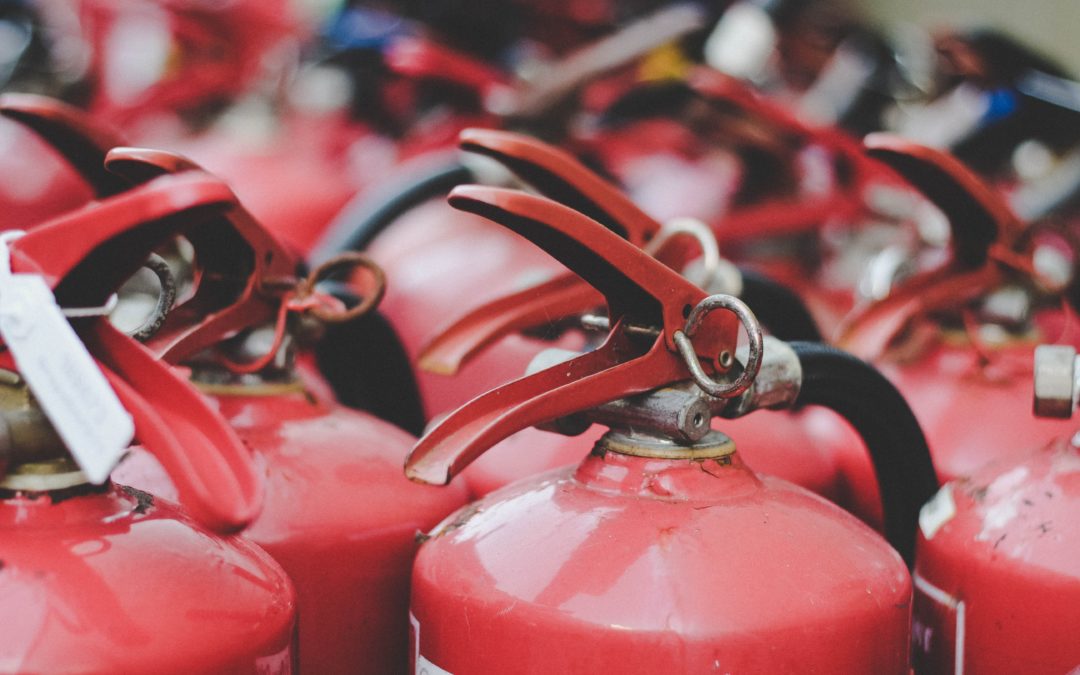
Water fire extinguisher
Water fire extinguishers douse fires by taking away the heat element of the
fire triangle. They’re used for Class A fires only.
Dry chemical fire extinguisher
Dry chemical extinguishers extinguish the fire by interrupting the chemical
reaction of the fire triangle. They’re most effective on Class A, B and C
fires.
CO2 fire extinguisher
Carbon dioxide extinguishers take away the oxygen element of the fire triangle.
They also remove the heat with a cold discharge. They can be used on Class B
and C fires.
With this in mind, fire extinguishers have been developed and classified in order to combat such fires. Below is a chart of the 3 most popular fire extinguishers to deal with fires:
Type of Extinguisher
What the fire extinguishers are used for:
Class A fire extinguisher
These extinguishers are used for fires involving ordinary combustibles, such as wood, paper, cloth, trash and plastics.
Class B fire extinguisher
These extinguishers are used for fires involving flammable liquids, such as grease, gasoline and oil.
Class C fire extinguisher
These extinguishers are used for fires involving electrical
equipment, such as motors, transformers and appliances.
We now
have a basic understanding of what extinguishers fight what fires. But what
about when you are face to face with the fire? That is the very scary and at
times overwhelming point where your knowledge and skills will be put to the test.
This post also stresses that fire extinguishers should not be used to fight
larger fires, please leave that to the professionals. These tools can be used
for fires that have just started and are containable.
The acronym
PASS is an easy way to remember how
to use a fire extinguisher:
P- Pull
the pin
A- Aim at
the base of the fire
S- Squeeze
the lever steadily and evenly. Squeezing too hard can waste the fire-fighting
agent
S- Sweep the
nozzle side to side, continuing to aim at the base of the fire
What do we do from here?
Well, now
that we have a basic understanding on how fires are started, the types of fires
that take place and which fire extinguishers should be used, I recommend seeking
further education and going through a fire safety course from a trained
professional or your local fire-fighting department. At the very least, take a
look at the extinguisher you have in your homes, work place, or local community
centers. Are these the right extinguishers for a fire that might occur? Please
make sure you if a fire breaks loose, calling professionally trained first
responders is always the preferred route.
Was this helpful?
If you found this article interesting, exciting or useful, please check out more safety related articles at https://dev.b42l.com
If you are anything like me, you hate having other people tell you what to do. It can be very inconvenient to listen to other people’s wishes or commands. So when we are faced with people telling us what to do we often find ourselves landing in decision making land:
Obey thy request or face thy consequence
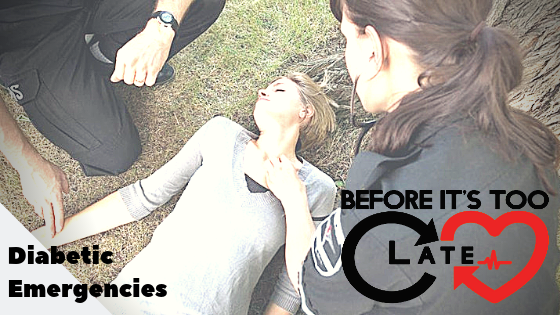
Decision making like this takes place in every aspect of our lives. For some people though, this decision making takes place at a physiological level. I am talking about Diabetes and Diabetic Emergencies.
What is Diabetes?
Diabetes is a disease where the body’s ability to produce or respond to the hormone Insulin is impaired. Now why is insulin such a big deal? Insulin helps regulate the metabolism of carbohydrates and glucose (sugar) in our blood and urine. People who have diabetes have a different set of requests sent by their body and different commands they need to follow.
When was the last time you tested your blood sugar?
Are you monitoring how much sugar you have consumed?
Is your blood sugar too high/low?
AGAIN WHEN DID YOU TEST YOUR BLOOD SUGAR?
Do you have your insulin?
Have you TESTED YOUR BLOOD SUGAR AGAIN?
Now you may be asking yourself why is it imperative to really monitor blood sugar when you have diabetes. The short answer to that is because if our blood sugar is too high or low, our bodies can have some serious responses. These responses could end up being life threatening and turn into emergency situations. Being able to recognize and respond to different diabetic emergencies can stop a problem from becoming worse and can in some cases save a life.
When Blood Sugar is Too High (Hyperglycemia)
When your blood sugar is too high it is normally the result of insulin not allowing sugar to be used for energy. Our body proceeds to find an alternative source for energy and breaks down fat. The problem with breaking down fat as energy is a by product known as a Ketone. Ketones furthermore turn the blood acidic and can cause the known condition of ketoacidosis.
Signs and Symptoms
Nausea and Vomiting
Confusion
Abdominal Pain
Fruity (acetone) breath
Excessive thirst and frequent urination
Loss of consciousness
How to avoid and respond to High blood sugar
Here are a few tips on avoiding high blood glucose levels. It is very important to keep open communication with your diabetes care team and primary care physician.
Understand your symptoms and risk factors
Exercising regularly
Keeping up with insulin regulation
Staying hydrated
NOTE: * If someone becomes unconscious, be prepared to use life saving skills such as CPR and First Aid*
When Blood Sugar is Too Low (Hypoglycemia)
Having low levels of sugar in the blood is known as Hypoglycemia. This is often caused by having excess insulin or could be caused by not having eaten enough food to provide the energy (carbohydrates) to stay above 70 milligrams per deciliter. Hypoglycemia can also frequently occur in newborn babies.
Signs and Symptoms
Irregular heart rhythm
Fatigue and shakiness
Anxiety and confusion
Irritability
Hunger and tingling sensation in around the mouth
Seizures and loss of consciousness
How to respond
Find an immediate source of sugar (15-20 grams of sugar)
Continue to monitor blood glucose levels after ingestion
Be prepared to perform CPR in case a person loses consciousness and call 911 or the designated emergency contact
First Aid Combatting Diabetic Emergency Situations
In either case of high or low blood sugar situations, it is extremely valuable to understand life saving steps in case a bad situation has turned worse. Knowing how to respond and what signs and symptoms to look for can allow bystanders or even yourself to alert proper emergency contacts about the situation. First Aid for each situation will be different so having proper training and certification will allow you to combat a diabetic emergency situation. If a person becomes unconscious, it is imperative to call 911 and if you are certified perform cardiopulmonary resuscitation (CPR).
If you are interested in becoming certified in First Aid and CPR you should reach out to local providers and take a class. These certifications are often valid for a 2 year period and will walk you through situations of how to handle diabetic emergencies. You can sign up for a First Aid and CPR class with Before It’s Too Late LLC by visiting their website at B42L.com. B42L services the tri-state area and provides classes for college students and businesses. If you don’t see a class that fits your schedule, simply send a request and they can schedule something for your personal schedule!
Wrap up
Being diagnosed with Diabetes can be a hard thing to manage. It comes with many challenges and constant monitoring to stay safe and stay protected. The important thing to know is you can manage this disease and you can furthermore be prepared in case of an emergency situation.
Because you are not superman you most likely fall into one of these three categories:
Employee
Employer (manager/decision maker)
Community Member
Although all of these groups are unique, there is one evident similarity between them. That similarity is, each groups member’s are at risk to either suffer an emergency situation or be a bystander in an emergency. Having a proper Emergency Plan in place is a proactive step to ensure your staff/group is aware of these situations, but what happens when they need to act?
If the situation becomes life or death, can you confidently proclaim: “My employees have the best fighting chance”
If you are unsure please continue reading.
Reasons to Train Your Staff for an Emergency Situation
The Workforce is Unprepared as a Whole:
According to the American Heart Association 55% of employees in corporate offices, hospitality, education and industry/labor cant get CPR/AED/First Aid training from their employer. What was more shocking is that nearly 50% of employees couldn’t even locate an AED in their workplace.
US Occupational Safety and Health Administration (OSHA) reports that there are somewhere close to 10,000 cardiac arrest cases occurring in the workplace every year.
Prevalence of Diverse Emergency Situations: THE STATS SPEAK FOR THEMSELVES
The CDC reported the number 7 cause of death being diabetic emergencies. There were a total of 79,535 lives lost between 2011-2014. With nearly 26,000 deaths every year, diabetic emergencies are a tremendous threat and should be taken seriously.
There were 1.7 million emergency department visits with asthma as the primary diagnosis in 2016. Many people believe asthma is a condition that only athletes suffer. It is evident that many individuals visit the emergency room due to asthma related emergencies. The best plan of action you can take is having your staff aware of these statistics and preparing them to respond.
The CDC also reports that there were 16 million cases of Hay Fever in the past 12 months (2016 data). Hay Fever, is an allergy caused by pollen or dust in which mucous membranes are inflamed in the eyes and nose. Whether you are in the landscaping business and are exposed to grass, or an office that has routine dust collection, your EMPLOYEES ARE AT RISK!
These are just a few of the emergency situations a workforce could be exposed to. Being prepared in the event of an emergency is the best way to ensure you protect your employees and reduce the risk of fatalities caused by emergencies.
COMPLIANCE COMPLIANCE COMPLIANCE
One pressing reason to get your staff trained is to ultimately protect yourself against fines and auditing scares.
“In the absence of an infirmary, clinic, or hospital in near proximity to the workplace which is used for the treatment of all injured employees, a person or persons shall be adequately trained to render first aid”.
Many first aid programs cover the following topics:
Shock
Diabetic Emergencies/Allergic Reactions
Breathing emergencies including choking
Slips/trips/falls (suspected or obvious trauma causing broken bones)
Bleeding emergencies
Heat/cold related emergencies
Suspected poisoning/overdose including proper Naloxone protocol.
Now that we have covered a few reasons why the employer should invest in preparing for emergency situations, let’s take a look at why employees and community members should BUY IN TO EMERGENCY TRAINING:
Reasons Employees or Community Members should become trained
You could experience an emergency yourself – if you are trained in emergency preparedness, we applaud you in your efforts to provide care. All too often though, there have been instances where the person who was the designated trained, experiences an emergency themselves.
You can use your skills outside of the office – While we have been highlighting workplace preparedness, you may end up in a situation out of the office that requires your skills to be used.
Rules have changed – Yes, you may have taken a CPR class 20 years ago when you were in PE. That being said, certifications are only valid for 2 years upon completion. The reason behind a 2 year certification is because standards change and science teaches us more up to date information to apply to use. One of the biggest changes is the use of Compression Only CPR. In this form of care, a responder chooses not to administer rescue breaths.
Take a look where the fitness staff used their skills out of the classroom to help save the life of a Gonzaga basketball player on the court.
There are plenty of resources available to you. The most important thing to keep in mind is where the information is coming from. Having trainers that are certified instructors makes the difference and brings credibility to your event. Here are a few resources:
B42L is based out of Pittsburgh, PA and has certified nearly 1,000 participants
B42L travels to your location and provides onsite training
B42L has all instructors certified through The American Red Cross
B42L has trained companies in the following industries: Oil and Gas, Home care and nursing, physical therapy, trucking, construction, manufacturing, and many more
You can also use resources such as The American Red Cross or American Heart Association.
Final Thoughts: It is important to take ownership of safety protocol and emergency preparedness. Employers should abide by OSHA regulation to stay in compliance. You could fall victim to an emergency situation yourself. B42L is proud to serve your training needs!
Visit B42L.com to save your seat and check out other safety resources.
Was this helpful? Leave a comment and connect with us on social media or you can visit our website atB42L.com