If you are anything like me, you hate having other people tell you what to do. It can be very inconvenient to listen to other people’s wishes or commands. So when we are faced with people telling us what to do we often find ourselves landing in decision making land:
Obey thy request or face thy consequence
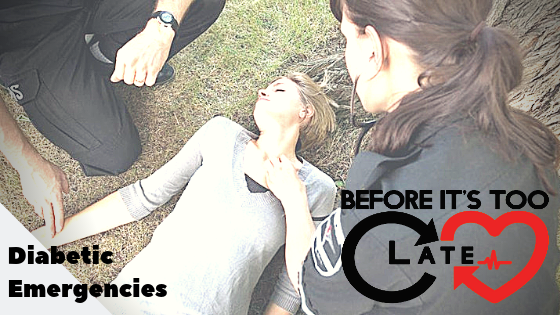
Decision making like this takes place in every aspect of our lives. For some people though, this decision making takes place at a physiological level. I am talking about Diabetes and Diabetic Emergencies.
What is Diabetes?
Diabetes is a disease where the body’s ability to produce or respond to the hormone Insulin is impaired. Now why is insulin such a big deal? Insulin helps regulate the metabolism of carbohydrates and glucose (sugar) in our blood and urine. People who have diabetes have a different set of requests sent by their body and different commands they need to follow.
- When was the last time you tested your blood sugar?
- Are you monitoring how much sugar you have consumed?
- Is your blood sugar too high/low?
- AGAIN WHEN DID YOU TEST YOUR BLOOD SUGAR?
- Do you have your insulin?
- Have you TESTED YOUR BLOOD SUGAR AGAIN?
Now you may be asking yourself why is it imperative to really monitor blood sugar when you have diabetes. The short answer to that is because if our blood sugar is too high or low, our bodies can have some serious responses. These responses could end up being life threatening and turn into emergency situations. Being able to recognize and respond to different diabetic emergencies can stop a problem from becoming worse and can in some cases save a life.
When Blood Sugar is Too High (Hyperglycemia)
When your blood sugar is too high it is normally the result of insulin not allowing sugar to be used for energy. Our body proceeds to find an alternative source for energy and breaks down fat. The problem with breaking down fat as energy is a by product known as a Ketone. Ketones furthermore turn the blood acidic and can cause the known condition of ketoacidosis.
Signs and Symptoms
- Nausea and Vomiting
- Confusion
- Abdominal Pain
- Fruity (acetone) breath
- Excessive thirst and frequent urination
- Loss of consciousness
How to avoid and respond to High blood sugar
Here are a few tips on avoiding high blood glucose levels. It is very important to keep open communication with your diabetes care team and primary care physician.
- Understand your symptoms and risk factors
- Exercising regularly
- Keeping up with insulin regulation
- Staying hydrated
NOTE: * If someone becomes unconscious, be prepared to use life saving skills such as CPR and First Aid*
When Blood Sugar is Too Low (Hypoglycemia)
Having low levels of sugar in the blood is known as Hypoglycemia. This is often caused by having excess insulin or could be caused by not having eaten enough food to provide the energy (carbohydrates) to stay above 70 milligrams per deciliter. Hypoglycemia can also frequently occur in newborn babies.
Signs and Symptoms
- Irregular heart rhythm
- Fatigue and shakiness
- Anxiety and confusion
- Irritability
- Hunger and tingling sensation in around the mouth
- Seizures and loss of consciousness
How to respond
- Find an immediate source of sugar (15-20 grams of sugar)
- Continue to monitor blood glucose levels after ingestion
- Be prepared to perform CPR in case a person loses consciousness and call 911 or the designated emergency contact
First Aid Combatting Diabetic Emergency Situations
In either case of high or low blood sugar situations, it is extremely valuable to understand life saving steps in case a bad situation has turned worse. Knowing how to respond and what signs and symptoms to look for can allow bystanders or even yourself to alert proper emergency contacts about the situation. First Aid for each situation will be different so having proper training and certification will allow you to combat a diabetic emergency situation. If a person becomes unconscious, it is imperative to call 911 and if you are certified perform cardiopulmonary resuscitation (CPR).
If you are interested in becoming certified in First Aid and CPR you should reach out to local providers and take a class. These certifications are often valid for a 2 year period and will walk you through situations of how to handle diabetic emergencies. You can sign up for a First Aid and CPR class with Before It’s Too Late LLC by visiting their website at B42L.com. B42L services the tri-state area and provides classes for college students and businesses. If you don’t see a class that fits your schedule, simply send a request and they can schedule something for your personal schedule!
Wrap up
Being diagnosed with Diabetes can be a hard thing to manage. It comes with many challenges and constant monitoring to stay safe and stay protected. The important thing to know is you can manage this disease and you can furthermore be prepared in case of an emergency situation.