BEFORE IT’S TOO LATE 2019 Quarterly Newsletter
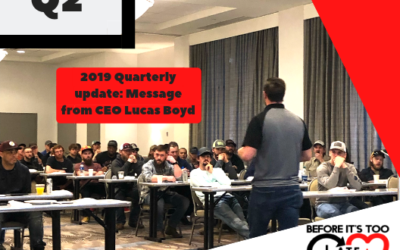
A message from Lucas Boyd, CEO. Starting off the 2019 calendar year, the B42L team has been busier than ever and we are happy to have accomplished trainings in the Energy, Construction, Manufacturing, Higher Education, and Private business sectors. Here is what we have been up to.
Campus Ambassadors
Moving into 2019 and continuing the Campus Ambassador Program the B42L team was able to invest in their ambassadors. Both Damon Morris and Jovi Ryder of Slippery Rock University, were put through the American Red Cross Train-the-Trainer Program and are now able to teach Basic First Aid, CPR/AED classes for the B42L team. In recognition of each’s accomplishments, a Special Encore Training Slippery Rock University has been scheduled for March 30th 2019 on Slippery Rock University’s Campus. Both Damon and Jovi will be leading chapters during the training and putting their certifications to use! You won’t want to miss this debut! Click to sign up below:
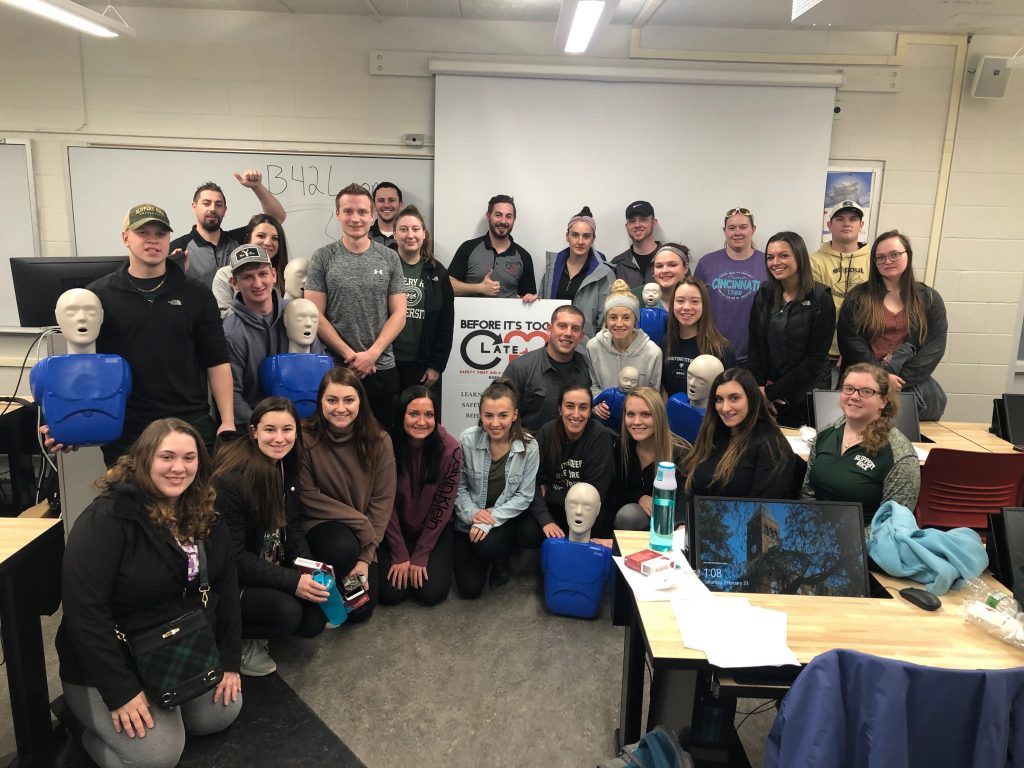
We are searching for 1 new campus ambassador for the 2019-2020 school year! The Campus Ambassador program also is a financial assistance program that aids, providing a $500 scholarship to its participants. For Safety Management Students, this is a great resume builder and a great way to grasp what all goes into setting up, scheduling, and conducting a safety training! Are you interested in applying for a campus ambassador role? Submit your application here!
B42L: Energy, Engineering, Education
Construction: Continuing to build bridges with American Bridge!
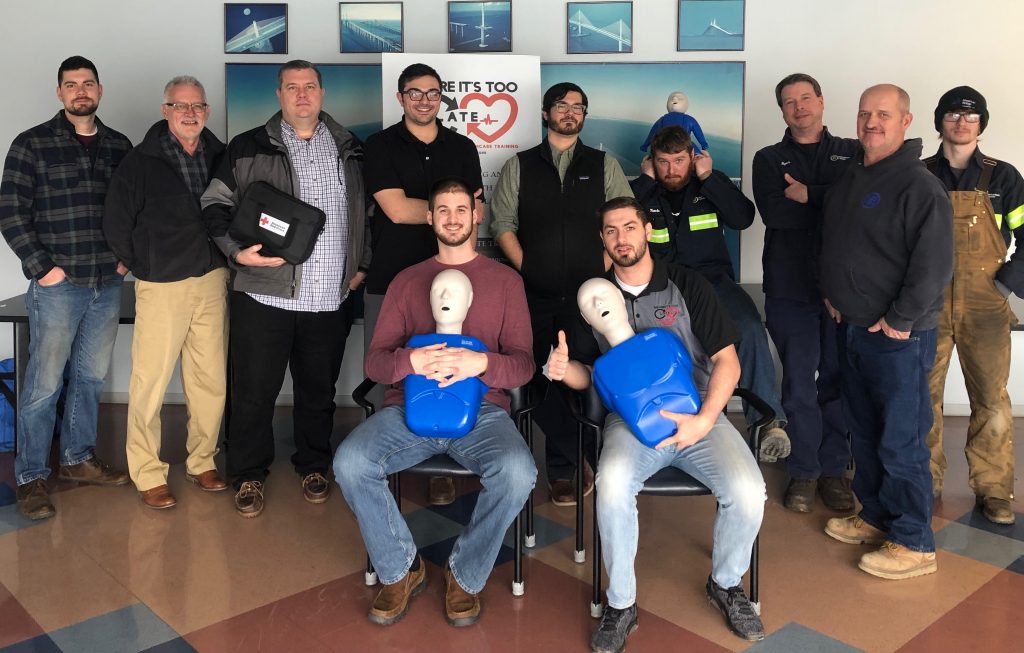
In early March, the B42L team was invited back to American Bridge Company to conduct more training for their staff. Led by SRU graduate, Brant Weiteich, these American Bridge participants learned life saving skills that they will be prepared to employ, given any of the emergency situations we discuss during our training’s! Hats off to Brant for leading this initiative and inviting us back to train! We look forward to continuing to build bridges with this amazing group!
Manufacturing: Saint Gobain Plastics
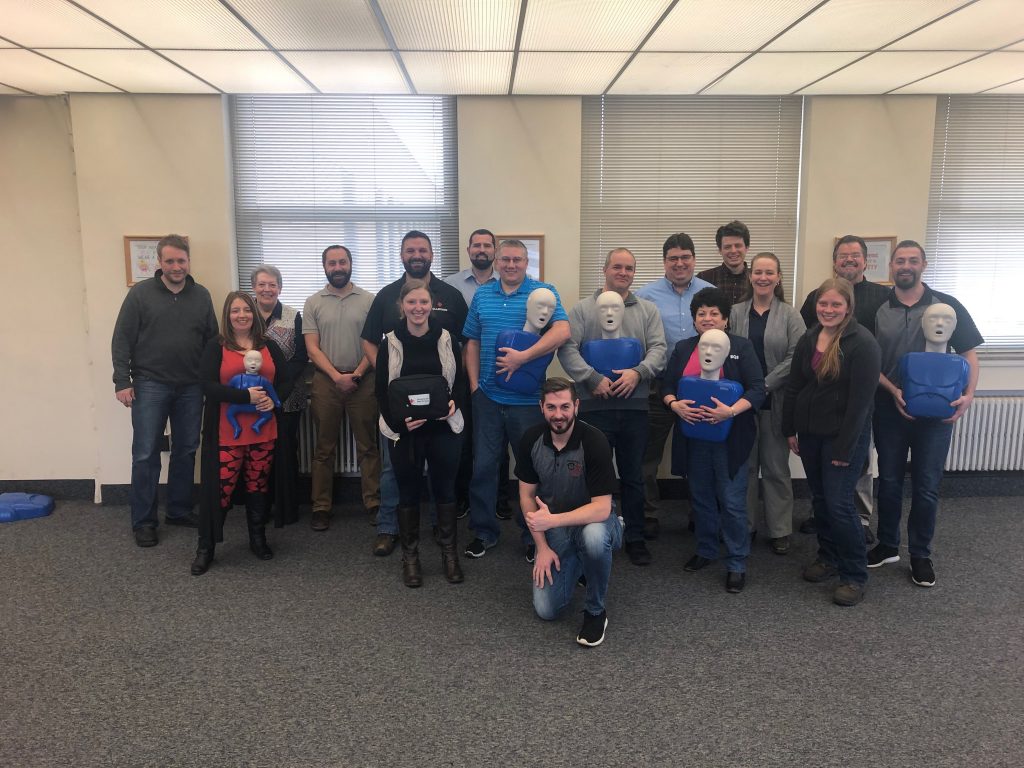
Another Slippery Rock University Safety Management Alumni, Andrew Proya, invited the B42L team into Saint Gobain Plastics Manufacturing just outside of Cleveland, OH. These leaders at Saint Gobain not only talked-the-talk, but they 100% walked-the-walk. The group of nearly 30 safety leaders all learned life savings skills and can trust one another that given an emergency, each will be prepared step up and refuse to be a bystander. For the full story click the link below!
Steel Manufacturing: The Elwood Group is a Safety Focused Group!
Slippery Rock University Safety Management Alumni, Bobbie Myers, recruited the B42L team to train over 25 volunteers at Elwood Quality Steel’s New Castle Plant. This volunteer-based training saw awesome turnout and over 25 participants spent their Valentines Day with the B42L team to learn skills of First Aid, CPR/AED. Although we don’t provide emotional heartache training (yet), the team learned how to respond to heart attacks, and the steps to take if someone is suffering from cardiac arrest. The Ellwood group plans on getting more of their plants trained by B42L and is working to schedule each location out! Check out the full story here!
Energy/Oil and Gas: Newpark Mats and Integrated Services
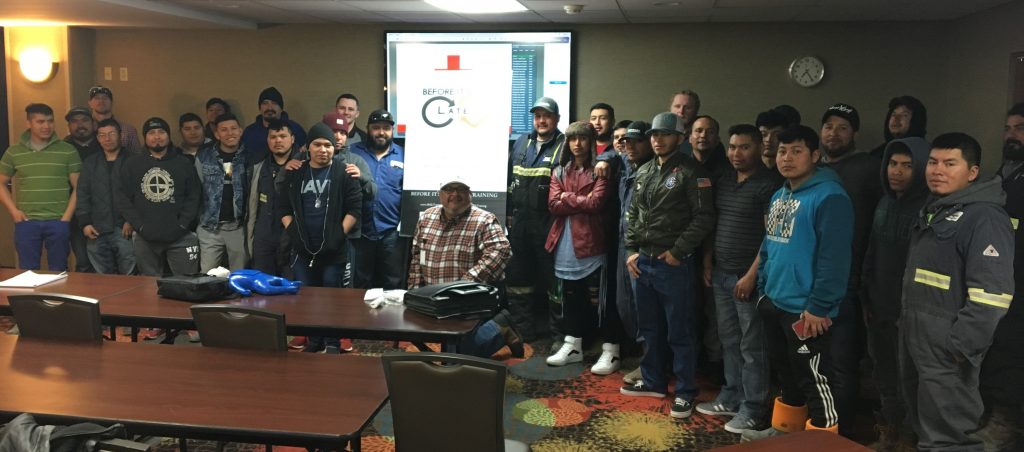
By far the biggest and most dynamic training B42L has conducted yet, Newpark Mats and Integrated Services provided the B42L team the amazing opportunity to train over 200 participants in skills of First Aid, CPR/AED! Training’s took place in Cuddy, PA, St. Clairsville, OH, and Clarksburg, West Virginia. The B42L team, lead by John Cragg, and Lucas Boyd, completed the training in several sessions working around the clock and traveling to each location to get the job done. The B42L utilized translators to also provide the classes in Spanish to over 70 employees. We are proud to have worked with Newpark, and we can confidently say that Newpark is a true leader when it comes to emergency preparedness.
Partnership with CPR LifeWrap
We came across Felicia Jackson’s story and needed to help spread her mission, “Empowering people to save lives.” Felicia, is the Inventor & Owner of the CPR Life Wrap, a tool used to make CPR easier. The life wrap is made with latex-free, medical-grade plastic, and provides visual prompts to guide the rescuer through the four AHA-recommended steps of CPR. B42L has partnered with CPR LifeWrap and is able to offer the tool to our audience. During a cardiac emergency situation, the Life Wrap gives the lay responder assurance that they will not miss a step when providing CPR. Purchase this life saving tool for your household below.
Looking Ahead
2019 has started off to an incredibly fast paced start. We look forward to building more relationships and serving our community. As we continue to grow, we want to say thank you to everyone who has joined us in our mission to SAVE LIVES and ask that you continue to help spread our message #BEFORE IT’S TOO LATE
Sincerely,
Lucas Boyd
President & CEO Before It’s Too Late LLC