Sep 28, 2018 | Health, Safety
Being able to recognize an emergency situation is just as important as responding to one. When you are planning on intervening in an emergency situation it is always important to make sure you are not putting yourself at risk. Think about it, it’s great having the skills needed to help a victim, but if you are putting yourself in danger that is never a good recipe. Actually, it is a recipe for disaster because you could be making the situation twice as BAD! First, lets go over a few emergency situations and then we can talk about the proper steps to take when responding.
Examples of emergency situations
Disclaimer: Of course, B42L is a huge advocate for helping others in need, but let’s make sure we are protecting ourselves and alerting proper medical or emergency response teams when we need to. If you ever think a situation is too dangerous or risky to handle alone, you should always call 911 or a designated emergency number.
- Cardiac emergencies: Heart attacks, Sudden Cardiac Arrest, breathing emergencies
- Choking
- Bleeding emergencies (yes nosebleeds can be an emergency too)
- Sudden illnesses: Diabetic emergencies, shock, allergic reactions, seizures
- Suspected broken bones/bruising
- Environmental emergencies: Heat related or cold related situations
- Poisoning
More importantly, we should point out that the emergencies above are not the only situations you may be faced with. Being prepared for a multitude of situations is always the best precautionary step to saving a life.
How should I handle an emergency situation?
There isn’t a blanket response to this question. Although, you should always have sound judgment and keep calm. The victim suffering is most likely experiencing not only physical pain but some type of emotional and situational turmoil in their head. Victims frequently ask questions in the “What-if category”.
- What if no one can help me?
- What if they don’t get here in time?
- What if this person helping me doesn’t know what they are doing?
As a responder, you don’t need to have every answer at your disposal. It is imperative you keep the victim calm, and assure them that you have the situation under control. Here is a quick step by step reference when you need to recognize something is taking place and decide what the best plan of action is to respond.
NOTE: You should always get consent when responding to someone in an emergency situation. There are instances where consent is implied, but a simple, “Can I help? I’m trained in First Aid” goes a long way.
- Check the scene, then check the person
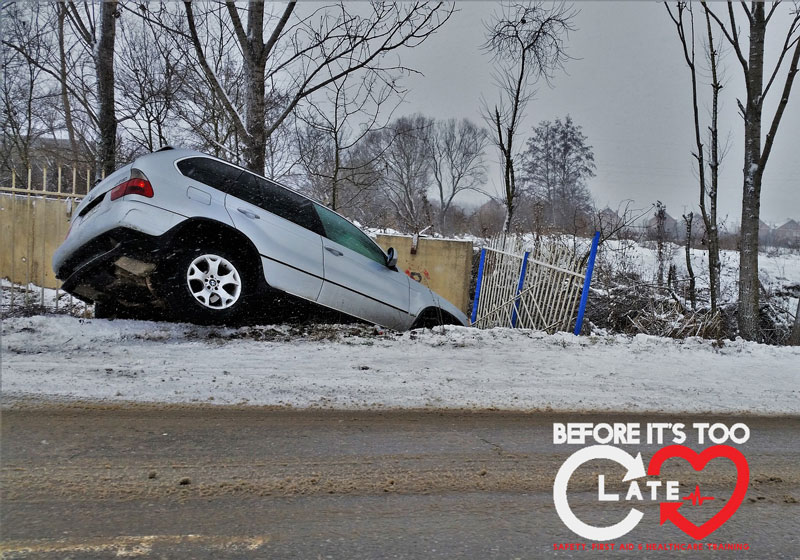
It may be retrospective thinking to actually ask yourself, “ Is this scene safe for me to enter or intervene?” This question though really can help mitigate risk and assure the proper tools and personnel arrive. A good example we like to give is responding to a car accident. At first glance you may think to just pull off to the side of the road and start helping immediately. You are superman so why not right? No!
Let’s take another look at the situation. Not only is there a car accident, but it is also rush hour, raining, and you are on a highway. In this situation your best plan of attack is pulling off to the side of the road and making a quick phone call. Describe to the proper authority what you see and use any clues to help pass information along.
Checking the scene makes sure nothing will happen to you when you respond. If you have deemed your scene safe to enter, proceed by checking the person. Make note if the victim is conscious or not and then use them to help assess the situation at hand. You can ask them all about how they got into this situation and use your first aid skills to help them out. If the victim is not conscious, CALL 911 or the designated number immediately. Furthermore, you can proceed to care within your scope of practice and certification.
- Call the appropriate phone number
When you have assessed the scene, now you have to make the BOLD call. 911 is the best phone contact but sometimes there are other designated numbers in place so be mindful of that small detail. It is important either way to call someone and alert others of the situation. One large role you will play is being the leader in this situation. The bystander effect occurs when people observe a situation and think someone else will take care of it. This happens for many reasons, but we won’t get into the details. The big takeaway is having other people assist when they can. You can delegate others to go fetch first aid kits, AEDs or even call the appropriate number as you care for the victim.
Another key point you have to be able to recognize is sometimes calling authorities is not the best idea. A small scrape on your elbow most likely won’t render a trip in an ambulance, but again if at any point a situation is out of your comfort level, make the call. Being trained to recognize CALL first vs CARE first situations is important and we encourage you to become trained in these skills.
- Care for the Individual
Caring for someone is our next step. When providing care to anyone in an emergency situation always make sure to use proper PPE (Personal Protective Equipment). Furthermore, proper PPE can lower the risk for infection and the spread of disease. If we look back to the emergency situations listed above, of course protocol will be different for any situation you are faced with so being properly trained and knowledgeable about each circumstance is imperative.
Here are a few things to keep in mind when you are caring for someone:
Only do what you are trained to do (act within your scope of practice)
This is really important. When you care for someone, it is noteworthy to provide care that is consistent with your level of training and certification. That means Youtube tutorials are not the best resource when caring for a bleeding emergency. When you administer care consistent with your degree of training you are ensuring you are protecting the victim and protecting yourself.
Provide care until EMS or authorities take over
Now that you have decided to care, you can’t get cold feet. Be confident in your decision making and stay calm as you provide care. Additionally, you should always stay with the victim until someone else can take over with more training. You should also brief medical personnel of what care you have performed and any information about the victim: allergies, head to toe check assessments, any interviewing that has taken place.
Be prepared for the situation to change
While you are caring for someone you should continuously monitor them. If a person is experiencing a heart attack, their situation could get worse if they slip into Sudden Cardiac Arrest. You need to be able to roll with the emergency at hand and have predictive judgment. Make note of their signs and symptoms as time passes. A good example could be someone experiencing a stroke.
Example notes:
- At 1:30 pm the victim experienced pain in their left shoulder
- At 1:35 pm the victims facial muscles began to droop on the left side
- At 1:40 pm the victim could not produce speech
And the notes could continue…
Relay all of this information to the authorities and EMS personnel. It is the best way to help them know where the victim is on a timeline basis.
Take Away:
Being able to recognize to an emergency is just as important as responding to one. You should always get consent when providing care to an individual and you should never put yourself at risk. Assessing a scene can help decide what plan of attack you will have to help respond and alerting the proper emergency contact should never be forgotten. Lastly, if you do not think you can perform these skills, we encourage you to take a class and become certified. B42L has had numerous cases where trained students have responded to emergency situations. In 2017, a student actually responded to someone suffering Cardiac Arrest on campus. She saved his life. Check the whole story out below:
Slippery Rock University Student Saves The Life of a Fellow Student Suffering From Cardiac Arrest
https://www.youtube.com/watch?v=4_iHFivnn-U&t=7
Resources to get trained:
- B42L.com
- American Red Cross
- American Heart Association
Was this helpful? Leave a comment and connect with us on social media or you can visit our website at B42L.com
Sep 24, 2018 | Health, Safety
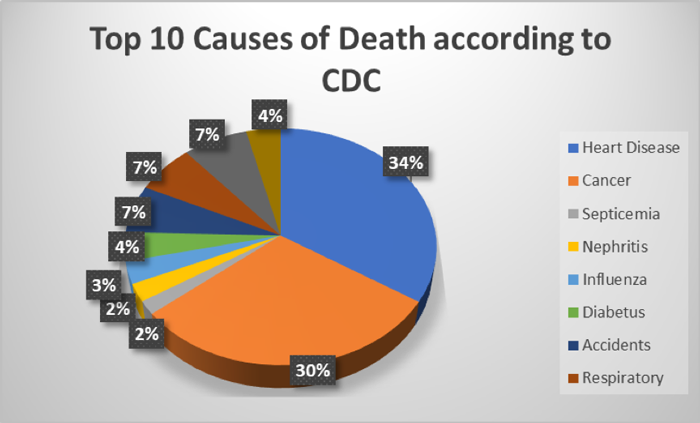
Heart disease is the leading cause of death in the United states. Over 500,000 men and women die each year from heart disease in the United States alone.
What is Heart Disease
Heart disease is synonymous with coronary artery disease. Coronary artery disease causes both angina and heart attacks (myocardial infarctions). The cardiovascular system is affected by other heart diseases such as:
- Congestive heart failure (the heart is beating too ineffectively to pump blood)
- Aneurysms (when the aorta has swelled up and created a bulge in the artery)
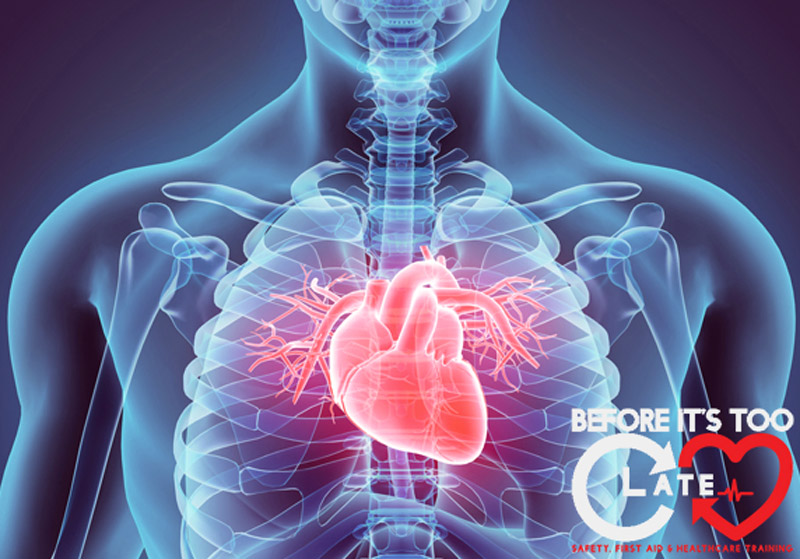
The heart acts as a pump and its purpose is to circulate blood to the body. There are 4 chambers in the heart that allow this to happen.
The first 2 chambers of the heart are called ventricles. The left and right ventricles have srong muscular walls that pump blood out of the heart. The second two chambers, known as the left and right atrium, pump blood into the heart.
The heart itself receives its blood from 3 coronary arteries. Coronary artery disease occurs when there is a buildup of plaque inside the coronary arteries, resulting in a condition known as atherosclerosis. When there is a sufficient amount of plaque build up in the arteries of the heart, angina occurs. Angina will cause cell death in the heart which causes a person to experience a heart attack, and produces severe chest pain in its victims.
Although cancer makes up 30% of annual deaths per year in the United States, heart disease still outweighs the total amount of deaths caused by cancer and influenza. Heart disease plays a part in 1 of every 4 deaths per year.
Heart Disease That Leads To a Heart Attack
As we previously discussed, heart disease is a blanket term used to describe multiple heart issues. Heart attacks are a life threatening issue resulting from heart disease.
A heart attack occurs when blood flow to part of the heart is blocked, causing cells and tissues to die. If you think someone is experiencing a heart attack, you need to act fast. Call 911 or the designated emergency phone number and monitor the individual. Heart attacks often lead to cardiac arrest.
Am I At Risk For Heart Disease?
The biggest risk factors associated with heart disease are high blood pressure and high cholesterol levels. Another key risk factor in developing heart disease is smoking tobacco. The CDC reported that nearly 47% of all Americans have at least one of these risk factors.
Other risk factors associated with heart disease are:
- Being overweight or obese
- Having a poor diet
- Excessive alcohol use
- Not being physically active
Reducing the Risk of Heart Disease
You can reduce your risk of developing coronary heart disease with simple lifestyle practices.
- Have a healthy diet: Eating the correct amount of fruits and vegetables as well as having lower sodium and lower fat diets reduce the risk of CAD.
- Exercising regularly: Keeping the heart healthy means you have to challenge it. You should be having consistent anaerobic and aerobic exercises built in to your lifestyle.
- Medication: Some medications may be used to treat risk factors associated with high cholesterol and high blood pressure which in turn has a huge impact on heart rate and blood flow.
- Talk to your doctor: You should be going to your family doctor for your annual check up where you can discuss any relevant health concerns.
- Find a health coach: Health coaches are a great way to implement routine and accountability when you want to change your lifestyle.
The Best Pittsburgh Health and Fitness Resources:
Part of finding an answer to a problem is becoming the change. Every day you can wake up and choose to live a healthy lifestyle. Here are a few other resources to use:
6ycle
6ycle is an upbeat and inviting indoor spinning club! They offer more than just spinning though. They have classes in pilates and yoga as well. Aerobic exercises is one way to make sure you are challenging your heart and keeping healthy blood flow.
Check them out: http://6ycle.com/classes-3/
Team Wade Fitness
This team specializes in both fitness and nutrition. You don’t have to be an athlete (although they do train the best) to come to this club in Pittsburgh, PA. Keeping a healthy and monitored diet and anaerobic strength conditioning will help reduce the chances of developing heart disease.
Was this helpful? Leave a comment and connect with us on social media or you can visit our website at www.B42L.com
Sources
https://www.cdc.gov/heartdisease/coronary_ad.htm
Sep 21, 2018 | Health, Safety
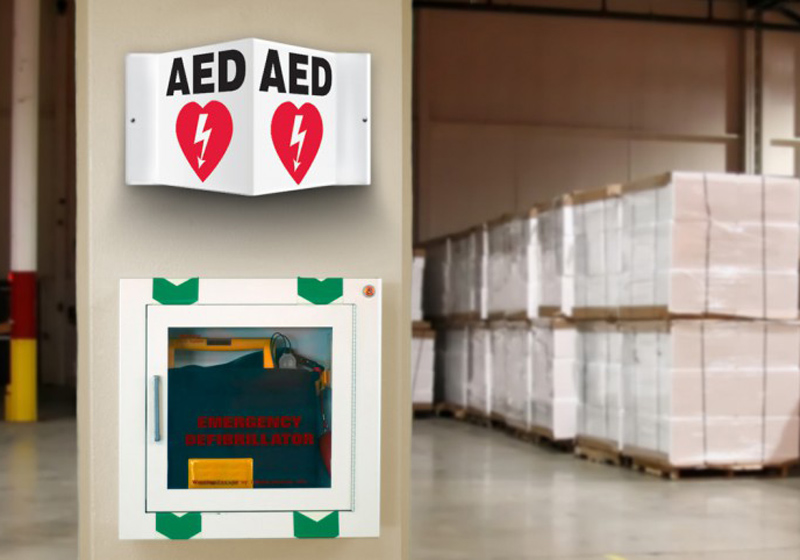
AED stands for Automatic External Defibrillator. AEDs are used in cardiac emergencies like sudden cardiac arrest (SCA). You should always know how to use an AED in the event of an emergency situation. If a victim is suffering from Sudden Cardiac Arrest (SCA), and receives a shock within the first minute, there is a 90% survival rate.
Here are 10 tips for using an AED:
1. Where do the AED pads go on the adult?
Every AED model is different. Most AED kits come with 2 sets of pads. One set of AED pads is used for an infant and there is a set of AED pads used for the adult. AED placement for adults and infants is different. AED pad placement for adults is: one pad on the upper right portion of the chest and one pad under the left armpit. Make sure to keep the AED pads across from one another, as the AED pads should never touch each other.
2. Where do the AED pads go on the infant?
When dealing with an infant, you should put one AED pad on their chest and one on their back. People often ask, “What is the cut off age for an infant?” There is no set cut off age, so make sure you familiarize yourself with proper training to determine what size AED pad you should use on the victim.
3. Can I use an AED if it is raining?
AEDs are built for all weather conditions. You CAN use an AED if it is raining. First, be sure to dry the victim off and remove any wet clothing the victim is wearing. When using an AED it is important to always have the victim’s chest dry.
4. Can I use an AED if the victim has a pacemaker?
Yes, you can use an AED if the victim has a pacemaker. The implantable cardioverter-defibrillator, also known as a pacemaker, is located inside the body and works to correct cardiac arrhythmias. When you put the AED pads on someone who has a ICD, make sure the AED pads are not directly over top of the victim.
5. Will the AED tell me what to do?
Most Automatic External Defibrillators (AEDs), have audio or visual prompts. If you are using an AED, make sure to read the instructions and follow the commands the machine prescribes. The AED will give instructions to shock the victim if necessary.
6. Do I need to be certified to use an AED?
You should be certified if you use an AED. Good Samaritan laws protect lay responders who act within their scope of practice. If you choose to use an AED and you are not certified, you may be subject to lawsuits. AED certifications are built into CPR certification classes. You can always make a phone call to have properly trained personnel use an Automatic External Defibrillator.
7. How do I use an AED?
Most AED models have a button to turn the device on. The AED will most likely give visual and audio prompts after it is applied to the victim. You should never touch the victim when the AED is analyzing the victim. The AED detects heart activity and sends an electrical shock through the body, allowing the heart to reset itself. Some models like the ZOLL AED Plus have reference guides ready for your use.
8. Do AEDs expire?
AEDs should be serviced regularly. You should always stay up to date with local and federal laws when servicing your AEDs. AED pads should be replaced as well as the batteries.
9. How can I get certified to use an AED?
Getting an AED certification is a fairly easy process. You can sign up for classes online. We feel that it is important to take a hands on AED class that also has a lecture. The reason you should take the class in person is because you should always practice real world situations when becoming certified in using an AED.
Visit B42L.com to sign up for a class to become certified in CPR/AED/First Aid. You can also Google your local American Heart Association or American Red Cross. All B42L trainers are certified instructors through The American Red Cross.
10. Should I use an AED if someone is having a heart attack?
You should never use an AED if someone is having a heart attack. AEDs should be used when someone is suffering from Sudden Cardiac Arrest. The AED will not shock a person if it is not needed and it is important to get an Automatic External Defibrillator in case the victim’s condition gets worse.
The Cardiac Chain of Survival depends on early defibrillation. There are over 400,000 out of hospital victims of sudden cardiac arrest every year. Becoming prepared in the event of an emergency can save life.
Every minute that passes without the use of an AED is a 10% reduction in the chance of survival. If 10 minutes goes by without the use of an automatic external defibrillator and CPR and chance of survival is almost 0%.
Take a look at these stories where an AED helped save a life:
SRU student saves a life on campus
https://www.youtube.com/watch?v=4_iHFivnn-U&t=7s
Story Highlights: A victim was suffering Sudden Cardiac Arrest when performing theatre exercises. When the victim did not get up after an exercise, a student promptly acted. Samantha called 911 and used her certification to help save a life.
High school athlete suffers cardiac arrest during volleyball match
https://www.youtube.com/watch?v=4pzfYyTxPzU
Story Highlights: Clair Crawford was playing in her volleyball match when her chest had sharp shooting pain. Clair entered cardiac arrest in the middle of the game. Clair was revived by the use of CPR/AED by bystanders and tells her story.
Can I get Certified?
B42L offers certifications in CPR/AED and First Aid. Students also receive a discount for training. Sign up online to reserve a seat. B42L also has other resources for safety professionals in multiple industries. We travel to provide hands-on onsite training to businesses in the Pittsburgh Area.
Visit B42L.com to save your seat and check out other safety resources.
Was this helpful? Leave a comment and connect with us on social media or you can visit our website at B42L.com.
Sep 12, 2018 | Professional, Safety
As a safety professional there are dozens of directions you can take your career after graduation. There are routes in healthcare, construction, manufacturing, oil & gas, insurance, food safety, retail safety, cyber security, or government employment opportunities, just to name a few.
In order to truly excel as a safety professional, it is important you find out which direction best suits your passions. Because let’s face it, if you aren’t fully invested and passionate in the industry you are practicing in, it is easy to lose motivation or second guess the profession as a whole.
Today, we are going to discuss 3 ways to strengthen your resume if you so choose to change directions in your career path. These efforts will make your resume stand out among your peers, and make you a more attractive candidate to potential employers.
1.) Accreditation
If you graduated or are graduating college with a degree in Safety Management/Safety Science, check to see if your program is recognized through the Board of Certified Safety Professionals (BCSP) as a Qualified Academic Program (QAP).
One benefit of graduating from a QAP, is the ability to apply for GSP (Graduate Safety Professional) designation. Becoming a GSP puts you on track for CSP (Certified Safety Professional) designation. In safety terms, the CSP is “a pretty big deal”.
CSP designation not only correlates to a traditionally higher salary, but it also verifies to employers that you are at the top of the line of potential candidates. Some companies will require CSP designation and won’t even consider resumes without accreditation. Point being, when you are selecting a school or graduating, keep an eye out for QAP’s. The return on investment is well worth it in the long run. For more information on the BCSP and the accreditation process, head to www.bcsp.org.
2.) Certifications
Do you want to increase the likelihood of securing that dream job but don’t know how to stand out against other applicants? Apply for a certification.
Applying for certifications not only gives you an added skill, but it shows employers you can provide focus-based value in areas that may benefit the company. If Candidate A and Candidate B both graduated college with 4.0 GPA, both have limited work experience, and both have club/organization involvement, getting a certification could be the difference of landing that job interview or not.
Some university curriculums have certifications built into the program. If they don’t, you’ll want to go out on your own and get a certification that can differentiate you from your peers. Keep in mind, if you list a certification on your resume, you better be able to produce that certification come interview time. Yes, employers check.
Make sure you stay current and up to date on your certifications you already have, because some do expire. If you do decide to make that career change, we’ve listed some certifications below that are somewhat universally valuable, and won’t break the bank.
3.) Continued Education
As the number of students graduating college with a Bachelor’s degree continues to grow, it is becoming increasingly more competitive in the job market.
The Bachelor’s degree is becoming equivalent to a high school diploma, and a Master’s Degree is becoming the new norm. If you want to strengthen your resume against your peers, continued education may be the route for you. Universities are developing fast-tracked programs that make it easy to graduate with a Bachelor’s and Master’s degree. In some cases they can be completed in as little as 5 years.
With more and more universities offering online programs, consider studying for your Master’s degree at night after your day job. Some employers will offer tuition reimbursement for continued education as you are increasing your knowledge to enhance their safety program.
Make sure to ask your company’s human resource department if the company offers a tuition reimbursement or assistance program. You may get that degree at a discounted rate thanks to your employer.
Consider Master’s degrees in:
- Safety Management/Sciences
- Business Management
- Chemistry/Industrial Hygiene
- Physics
Final Thoughts
As the job market continues become more competitive, it is imperative you take a proactive approach in your career. Being able to diversify yourself in a competitive market will allow you the flexibility and leverage to jump about the robust disciplines of the safety world. Obtaining accreditation, gaining certifications, and pursuing continued education are all routes that will help you transition in and out of career paths to help you find your passion in safety.
Did this article help? We hope this toolbox talk was informative, helpful and easy to relate to. Please visit B42L.com to learn more about strengthening your safety resume and other safety topics to improve your company’s safety culture.
Sep 5, 2018 | Professional, Safety
What is a workplace accident?
A workplace accident can be defined as:
“An unfortunate incident that happens unexpectedly and unintentionally while on the job, typically resulting in damage or injury.”
After an accident occurs, an investigation often ensues to figure out why the accident took place. Preventative actions are then put in place to avoid another occurrence of the same accident.
Below are some key areas to focus on when performing an accident investigation to help improve your company’s safety culture and performance.
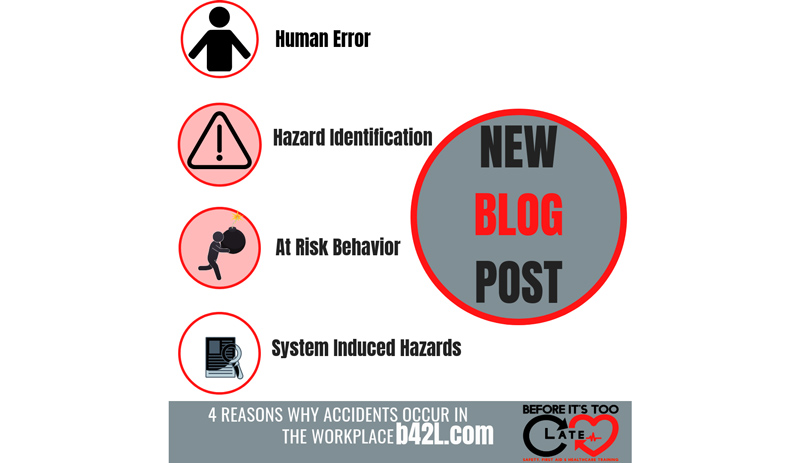
1. Human Performance Tools
Human Performance Tools (HuP) refer to an operating philosophy explaining that people are fallible and make mistakes. Human Performance aims to create tools that individuals can utilize on a daily basis to strategically reduce the amount of mistakes that are made.
Here’s an example:
It is 6:30AM, and you are rushing to get to the office. You stop by a gas station to fill up, knowing it takes about an hour to get to your office with traffic. As you arrive to the fuel pump, you answer a phone call, and simultaneously begin to select your fuel and pump your gas. After filling up, and hanging up the phone, you look at the final price of your purchase on the receipt that was printed out. The price looks unusually different from previous experience. After further detail of the receipt, you discover that you had selected the incorrect fuel and now must call a towing company to have your vehicle towed to have the system flushed. A costly trip to the gas station could have been prevented had you been utilizing Human Performance. A simple self-check at the fuel pump before squeezing the handle could have saved you thousands of dollars, and you would have been to work on time.
Although this example is simple, this exact scenario happens every day. By utilizing Human Performance Tools, this error can be prevented.
2. Hazard Identification
Identifying and acknowledging hazards in the workplace is a proactive approach to minimize the risk an accident will occur. By identifying hazards before work begins, you can plan barriers and defense strategies to ensure no injury/damage occurs. Hazard Identification often takes place during a Pre-Job Safety Meeting and is documented on a Job Hazard Analysis (JHA).
During these safety meetings, the work to be performed is outlined step-by-step with corresponding hazards. Outlining the barriers and defenses to prevent a hazard is the most important part of the JHA. During these Pre-Job Safety Meetings, employees can share individual input and agree what the safest course of action to take will be.
3. At-Risk Behavior
Taking chances with safety is not a strategy for success.
Time and time again, it is proven that what can go wrong, will in fact eventually go wrong. This is called Murphy’s Law.
Ignoring hazards in the workplace on the basis of, “I’ve done this same routine for years without anything going wrong”, is a strategy for failure. Eliminating at-risk behavior in the workplace not only decreases the likelihood of an accident taking place, but it also strengthens company safety culture. Taking steps to improve workplace safety shows employees you care about their well-being.
4. System Induced Hazards
A System Induced Hazard is a hazard that is created or ignored through company policies and procedures.
Some examples of system induced hazards are:
- Time pressure to fit a predetermined production schedule
- Processes that increase fatigue
- Lack of correct tooling
- Lack of training on a piece of equipment or tool
- Etc.
To avoid System Induced Hazards, a company will often conduct an internal or external safety audit of its procedures and systems. Audits like these can uncover unforeseen hazards that are a result of poor procedures and systems put in place by management.
Conducting safety audits within the workplace is extremely important. These audits show employees that management has every intention to consistently innovate and update its procedures to prevent unforeseen hazards. In conjunction, management must ensure training is available to all employees in order to complete the task safely and successfully.
Final thoughts
Very rarely do accidents simply occur in the workplace sporadically or by chance. By incorporating Human Performance, Identifying Hazards before work begins, removing At-Risk Behavior, and eliminating System Induced Hazards, your company safety culture and performance will be improved.
Did this article help? We hope this toolbox talk was informative, helpful and easy to relate to. Please visit B42L.com to learn more about why incidents occur in the workplace and other safety topics to improve your company’s safety culture.